
Home / THE BUYING BRIEF
An air purifier sized for the space you use.
Compare room capacity, fan settings and replacement filters before the app or the styling.
 Jonathan LowryPublished October 3, 2026 · 3 min read · sources accessed October 3, 2026
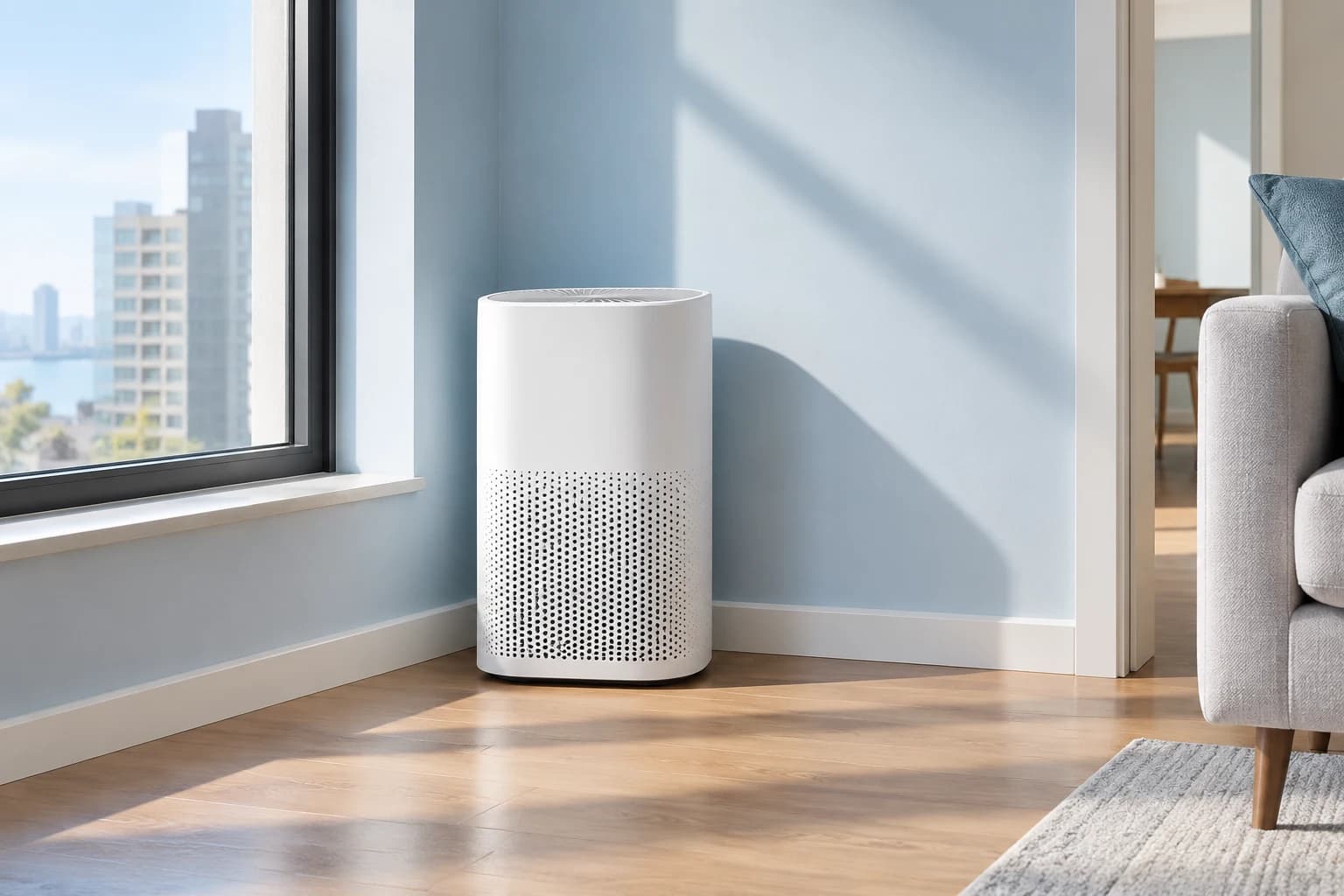
Air purifiers often arrive with an impressive room-size headline. But you still need to know what area that figure describes, which operating conditions it assumes and how the unit fits the room. Start with a specific space and a documented filtration brief rather than expecting one attractive appliance to answer every air-quality question.
This guide is about comparing consumer equipment specifications and ownership. It does not assess your indoor air, diagnose a condition or promise health improvements. EPA's consumer guide provides the technical background; our buying judgment focuses on the practical questions a product listing can leave unresolved.
Avoid portable air cleaners and furnace/HVAC filters that intentionally produce ozone.
01
Measure the area before reading the headline
Measure the room's length and width and note the ceiling height and any open connection to other spaces. An appliance beside a chair is not necessarily serving only the space around that chair. Compare the full area you intend it to serve with the manufacturer's documented conditions.
EPA explains that clean air delivery rate, or CADR, helps compare particle-filtering capacity with room size. Its guidance also distinguishes particle filtration from gas filtration. Use the stated metric and conditions, rather than assuming two large coverage numbers on different listings were calculated the same way.
Source: Guide to air cleaners in the home, US Environmental Protection Agency
02
Check the setting you expect to use
Compare the documented fan modes and noise information where available. A maximum-capacity claim and a quietest-mode claim may describe different operating conditions. Ask which setting the published figure uses and whether that is the setting you realistically expect to leave running in this room.
Consider controls, display lights and placement instructions alongside the specifications. A bedroom, living room and workspace can create different preferences. Our buying judgment is to compare the mode you plan to use rather than score a maximum figure that does not fit your ordinary routine.
03
Replacement filters are part of the product
Record the exact replacement filter number, the maker's replacement guidance and the current way to obtain it. Check whether different filter variants serve different documented purposes and whether the unit requires more than one component. A low device price does not explain the ongoing filter arrangement.
For comparing ownership cost, build your own scenario using documented replacement intervals and current prices at checkout. Keep assumptions visible; there is no universal annual cost in this guide. We do not infer performance from an unofficial substitute filter, and an attractive accessory listing is not proof of compatibility.
04
Keep capacity separate from promises
Use the linked EPA guide for the limits of filtration and its safety guidance. Do not interpret a shopping category, rating label or smart sensor as an endorsement of a particular model or a promise about personal health. The quoted caution on this page is attributed directly to EPA, not presented as FPC's original clinical advice.
At checkout, confirm the exact model, included filter, replacement route, placement instructions and return conditions. Our shortlist should explain the space and documented task each option fits. If a claim is essential to your purchase but cannot be supported for the exact model, it belongs on the question list rather than in the recommendation.
Source: Guide to air cleaners in the home, US Environmental Protection Agency
THE SHORTLIST STARTS HERE
Three directions to compare
Start with the approach that fits your needs, then compare the details that matter to you.
Single-room unit
Documented particle-filtering capacity matched to the room and ceiling conditions.
The trade-off: A room rating should not be silently extended to the whole home.
Quiet-use priority
Compare noise and capacity information at the intended fan setting.
The trade-off: Minimum noise and maximum capacity can describe different settings.
Ownership-first option
A unit with clearly identified filters and a replacement route you can verify.
The trade-off: Device price alone does not establish the ongoing cost.
A CLOSER LOOK
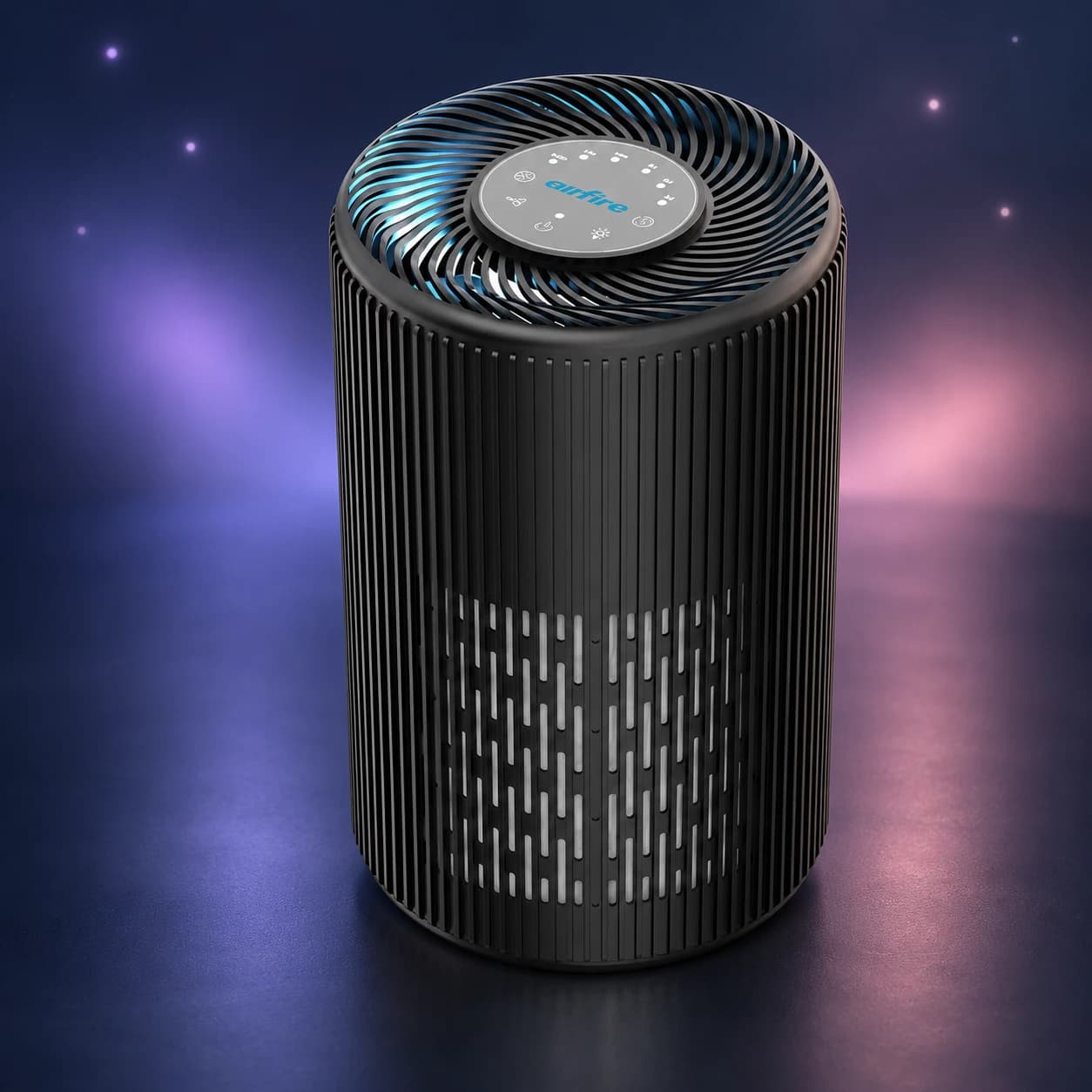
AIRFIRE AP201
One model to explore with your room in mind. Compare its documented room-sizing measurements, replacement-filter details and return terms against the checklist below.
Some links here earn us a commission when you buy. It never decides what we pick. How we earn
SAVE YOURSELF THE SURPRISE
Before checkout
- Room area, ceiling and connected spaces noted.
- Capacity metric and conditions understood.
- Intended fan setting compared.
- Filter part number and supply checked.
- EPA guidance and maker instructions read.
- Included filter and returns confirmed.
MAKE IT PERSONAL
Bring your brief to the concierge.
Start with this, then add the details that matter to you:
“Help me compare air purifiers for a specific room.”
Find my options ↗Sources
- Guide to air cleaners in the home
US Environmental Protection Agency · government · Accessed October 3, 2026
CADR, room sizing and replacement filters. EPA neither certifies nor recommends particular brands.
ANOTHER GOOD QUESTION