
Home / THE BUYING BRIEF
Lighting that works where you read and work.
Choose the light, placement and controls, not just a lamp that looks good switched off.
 Jonathan LowryPublished October 3, 2026 · 4 min read · sources accessed October 3, 2026
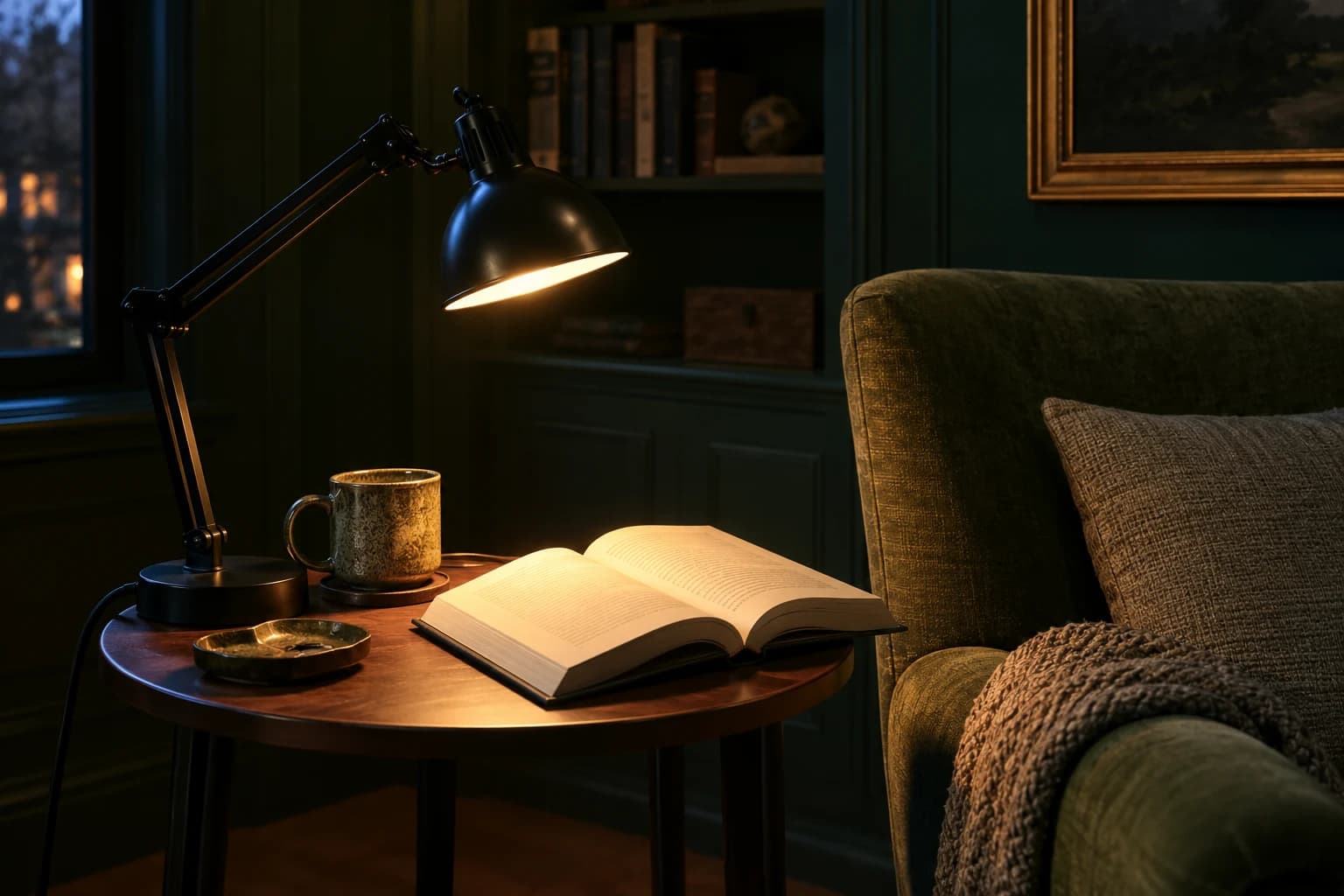
A lamp is both an object in the room and a way to light a task. Product photos are good at showing the object and less good at showing the light on your book, keyboard or work surface. Choose both parts deliberately: how it looks in the space, and how you want to control its light.
This guide compares shopping requirements for reading and desk lighting. It does not make claims about eye health or provide electrical-installation advice. We use the FTC's consumer explanation of lighting labels to help interpret specifications, then apply those facts to a practical room brief.
01
Decide where the light needs to land
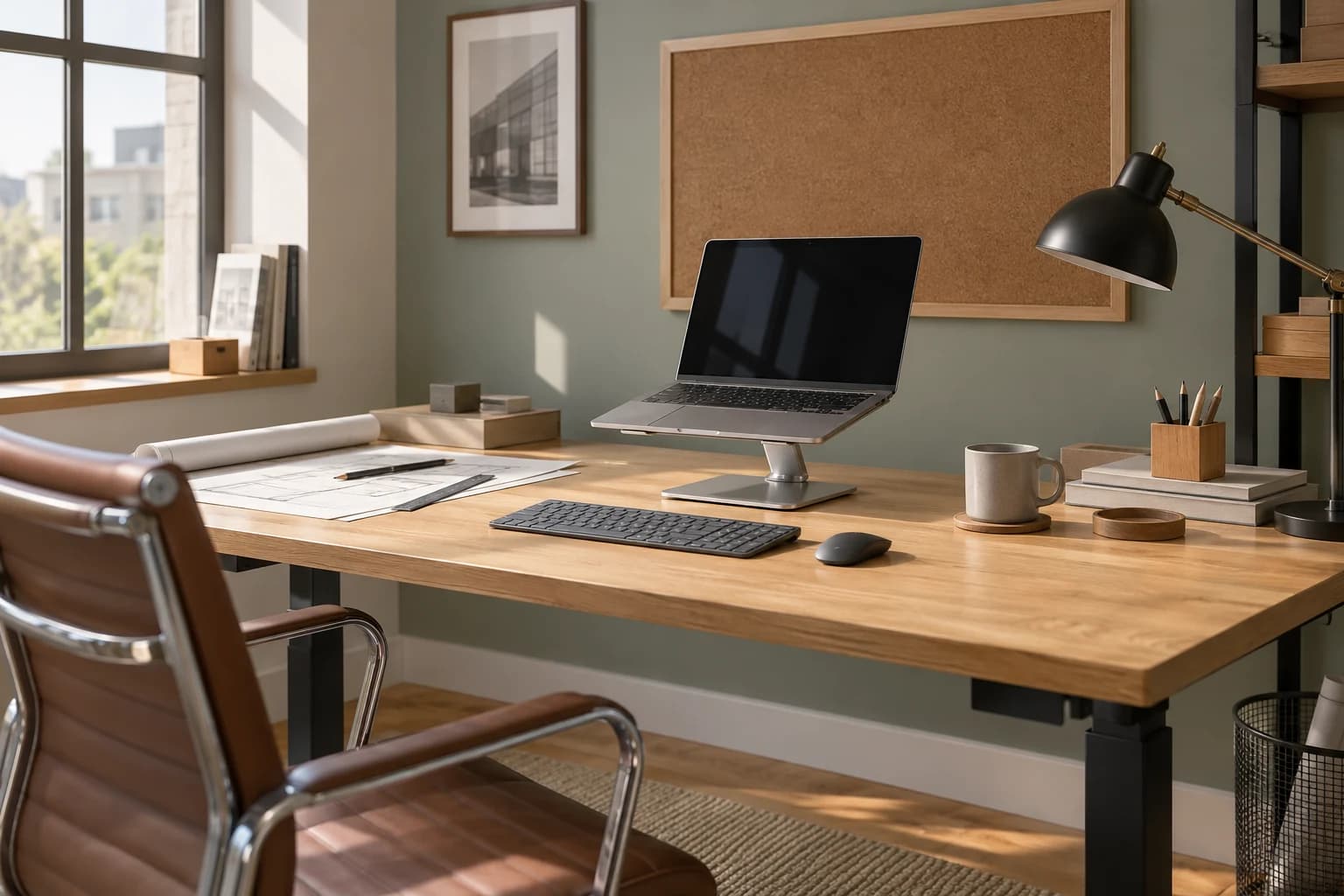
Mark the area you want to light and the place the lamp can occupy. A desk lamp with an adjustable arm, a floor lamp by a chair and a compact table lamp solve different layout questions. Compare reach, base size and adjustment instructions against the surface you actually use.
Consider the direction you normally face and whether a shade or screen will obscure the lamp. If possible, assess the light in a similar setup rather than only admiring a studio photograph. Our buying judgment is to choose the placement first, then the form; that keeps a beautiful lamp from becoming an awkward object you work around.
02
Brightness and color are different choices
The FTC explains that lumens describe brightness and the Lighting Facts label includes information about light appearance and energy use. Compare those separately rather than treating a familiar wattage as the whole lighting decision. A color description does not tell you how much light the bulb produces.
Check whether the fixture uses a replaceable bulb or an integrated light source, and read the specifications for the exact version. For a replaceable bulb, check the fixture's permitted bulb requirements. For integrated designs, consider the maker's service and replacement information rather than assuming you can change the light source later.
03
Choose controls you can live with
A physical switch, touch control, remote or app changes everyday use. Think about where your hand will be when you want the lamp on, how you adjust it and whether another person shares the space. A smart feature is valuable when it solves your actual control problem, not simply because it appears on the box.
If dimming matters, confirm documented compatibility between the lamp, light source and any existing control. Do not assume every LED works with every dimmer. For app-controlled products, inspect the connection, account and software requirements before deciding whether that is the simplest way to light your desk.
04
Compare the lamp in its working position
Measure the height, base and arm reach with the lamp positioned for the task. Inspect cable length and where the cable can go without changing the room layout. A clamp model also needs a documented match with the mounting surface; consult its instructions rather than assuming every desktop is suitable.
At checkout, confirm the regional electrical version, included light source, controls and return conditions. Follow the manufacturer instructions and use qualified help for work that requires it. The strongest shortlist explains how the lamp fits the task and room without claiming that a particular shade or temperature is universally best.
THE SHORTLIST STARTS HERE
Three directions to compare
Start with the approach that fits your needs, then compare the details that matter to you.
Adjustable desk lamp
A task surface where documented arm reach and base or clamp fit matter.
The trade-off: A wide adjustment range is useful only if it fits your working space.
Chair-side reading lamp
A position that reaches the book and has convenient controls.
The trade-off: Check the footprint and light placement in the seated arrangement.
Atmosphere plus task light
Separate room appearance from the specific area you need illuminated.
The trade-off: App features and decorative effects do not establish useful task lighting.
SAVE YOURSELF THE SURPRISE
Before checkout
- Task area and lamp position chosen.
- Dimensions and working reach measured.
- Brightness and light appearance compared separately.
- Bulb or integrated-source requirements read.
- Dimming and control compatibility confirmed.
- Cable, regional version and returns checked.
MAKE IT PERSONAL
Bring your brief to the concierge.
Start with this, then add the details that matter to you:
“Help me choose lighting for my reading corner or desk.”
Find my options ↗Sources
- Shopping for light bulbs
Federal Trade Commission · government · Accessed October 3, 2026
Lighting Facts label, brightness and light appearance; not advice on electrical installation.
ANOTHER GOOD QUESTION